What a renovation contingency actually is
A renovation contingency is a reserved amount of money, and a matching decision process, set aside for unknown conditions that are not reasonably visible during pre-construction.
Common examples include:
- Subfloor rot under tile or around plumbing penetrations
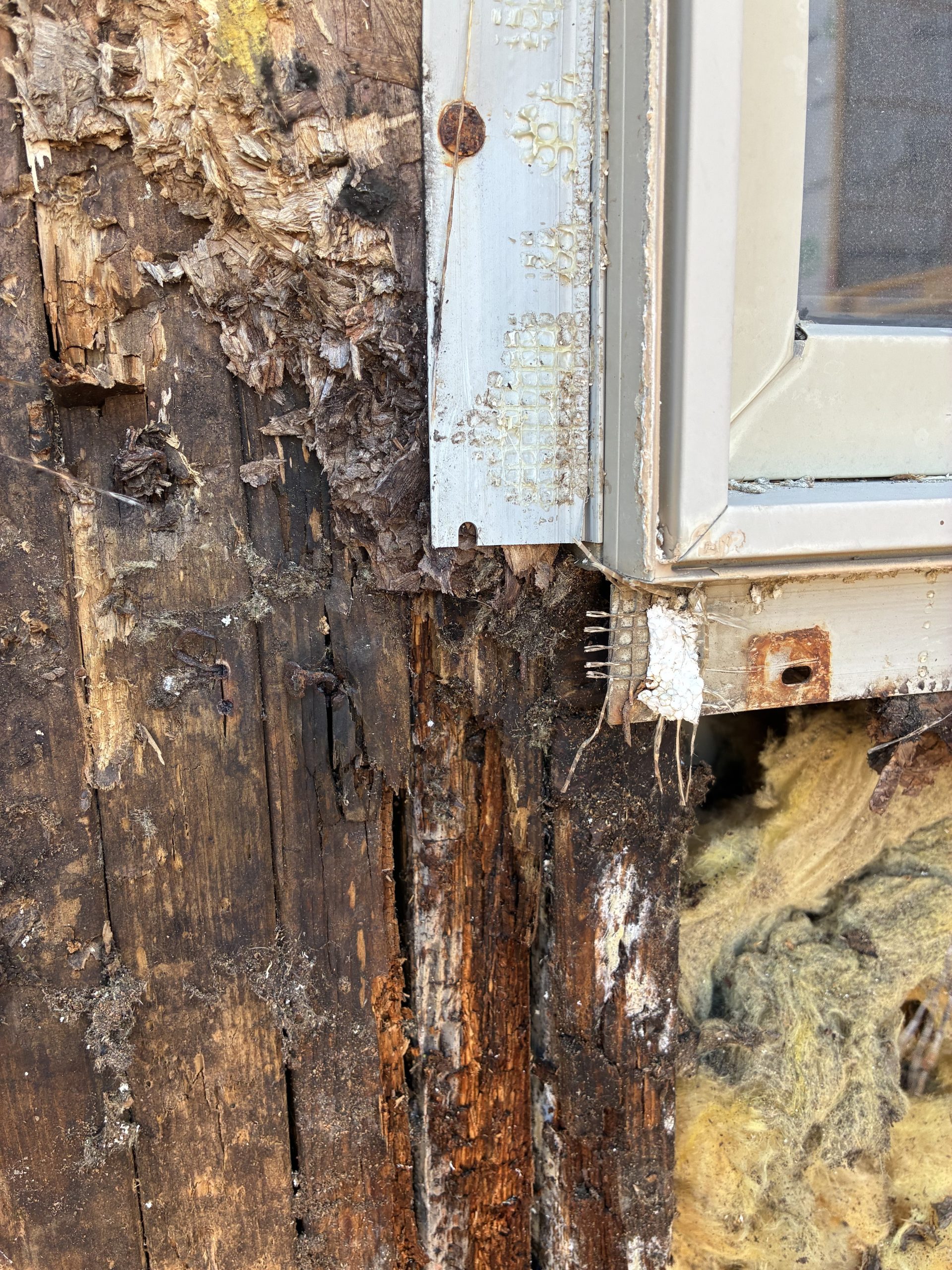
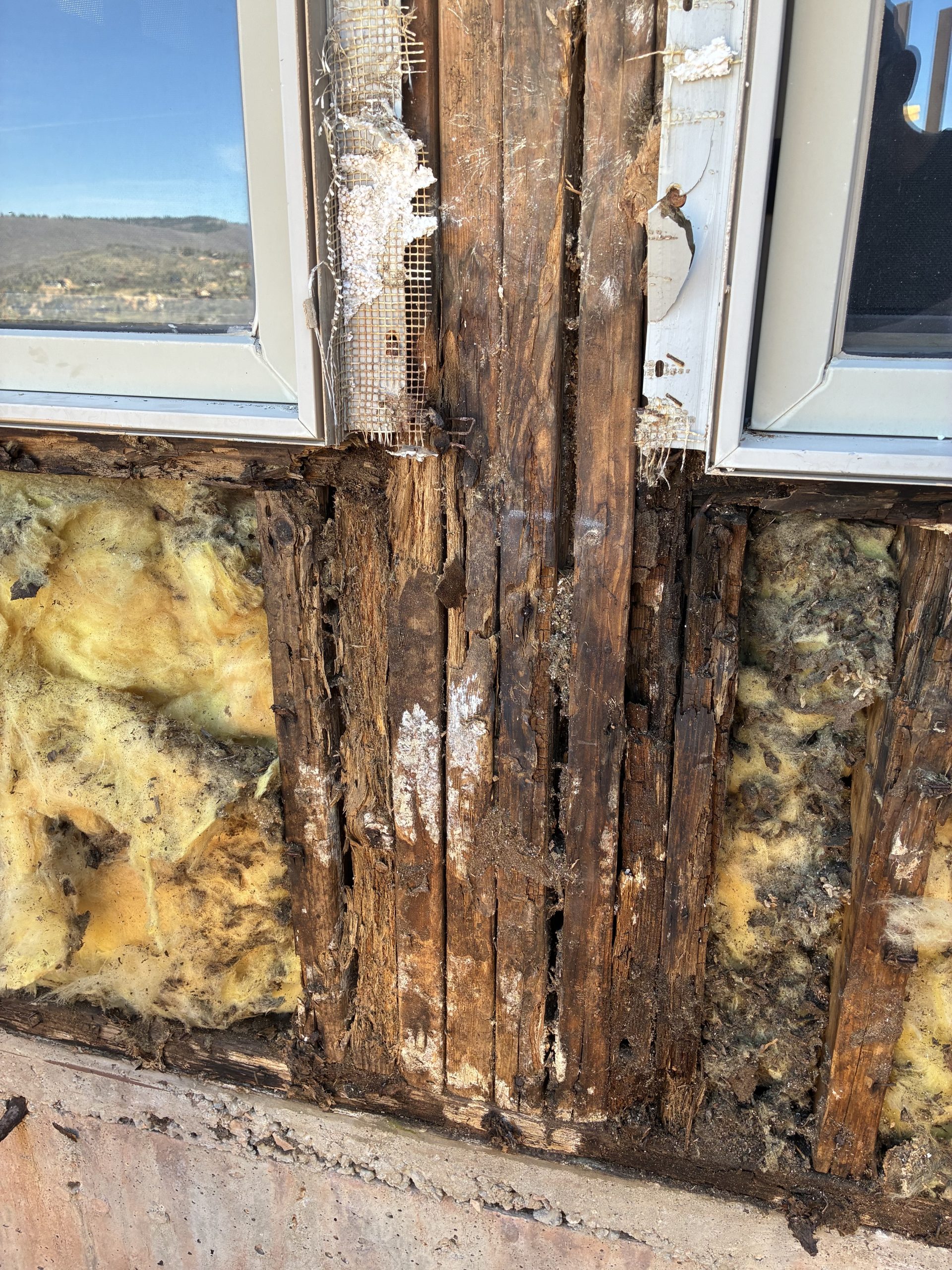
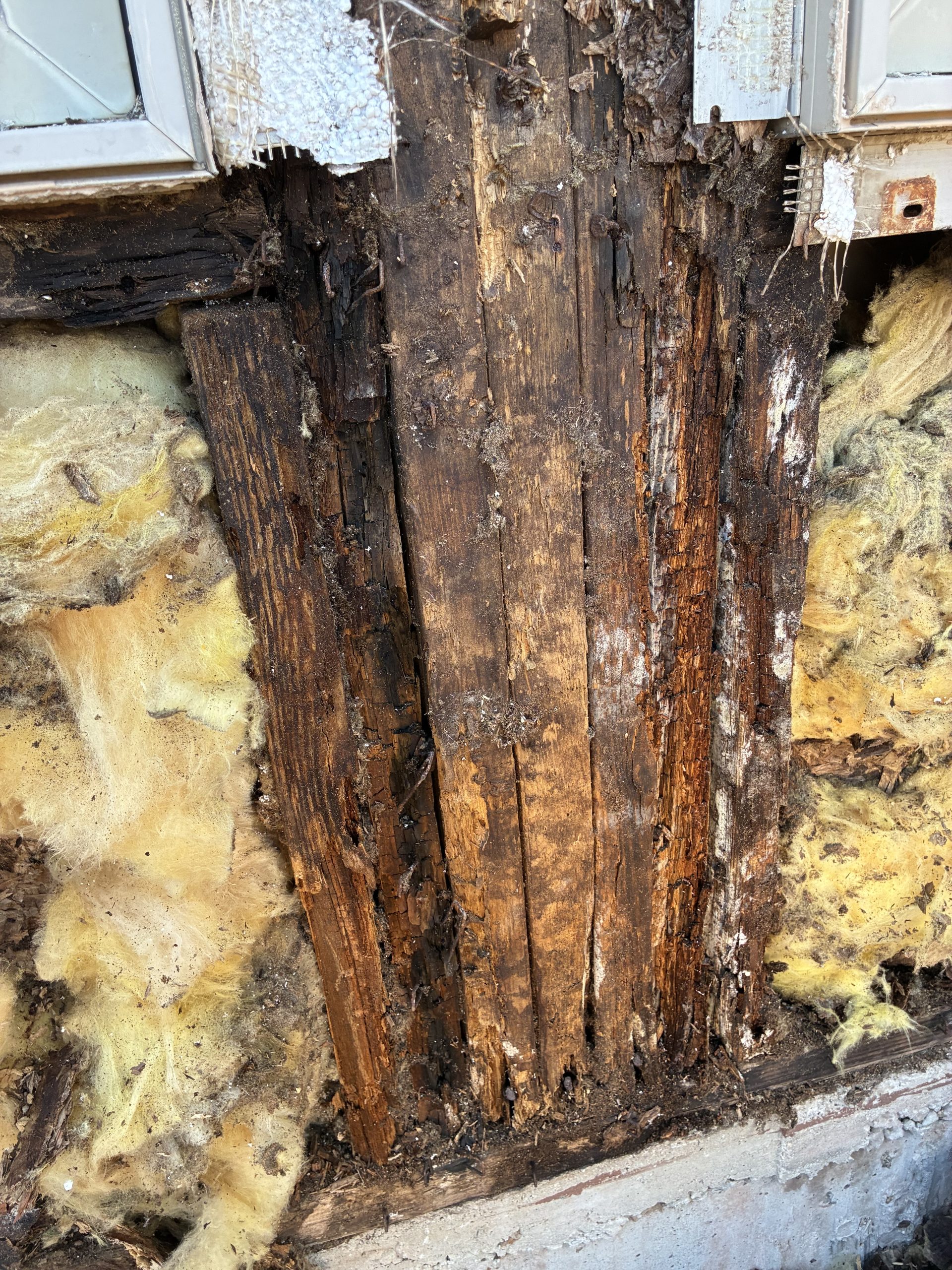
- Water damage around windows, doors, and exterior wall openings
- Mold discovered behind finishes in wet or poorly ventilated areas
- Outdated or unsafe electrical/plumbing conditions hidden in walls
- Framing modifications required to safely complete the planned work
A contingency should not be used as a vague slush fund. It should be tied to risk areas and managed with documentation and approvals.
What a contingency is not
A contingency is not:
- A blank check
- An excuse for unclear scope
- A way to quietly increase project cost
- A substitute for proper pre-construction planning
If a project is clearly scoped and responsibly managed, contingency becomes a controlled tool, not a source of confusion.
Why people avoid contingency planning
Homeowners often avoid contingency for understandable reasons
- They want certainty
- They do not want to feel like they are overbudgeting
- They hope their home will be the exception
But hoping is not a risk strategy. Renovation involves discovery by nature, especially in bathrooms, kitchens, basements, and areas with prior remodel work.
The more realistic approach is to acknowledge uncertainty up front while you still have options.
How to build a contingency budget
A practical contingency budget comes from three inputs:
- Scope risk
- House history and prior workmanship quality
- Exposure to moisture and concealed systems
Start by rating your project risk across these categories:
- Wet areas involved (bathrooms, laundry, kitchen, basement)
- Exterior envelope tie-ins (windows, doors, additions)
- Structural reconfiguration
- Unknown prior remodel quality
- Age and condition of major systems behind finished surfaces
Then align contingency reserve to that risk profile. Higher unknowns require a higher reserve. Lower unknowns can support a leaner reserve.
The key is not the exact percentage. The key is using a consistent method and agreeing in advance on how contingency funds are released.
How to build a contingency plan, not just a contingency number
A good contingency plan includes:
- Known high-risk zones to inspect first during demolition
- How discoveries are documented (photos, notes, scope impact)
- Who approves corrective work and expected response time
- How pricing is presented for unknown-condition fixes
- Whether schedule or finish scope has priority if tradeoffs are required
Without this process, teams lose time deciding procedure while the project is already exposed.
The cost of burying your head in the sand
When contingency is ignored, these problems are common:
- Budget shock from unplanned corrective work
- Schedule delays while decisions are made reactively
- Emotional decision-making under pressure
- Temporary patches that protect short-term budget but create long-term risk
The problem is not that unknown conditions exist. The problem is pretending they do not.
Eyes-wide-open planning allows the team to respond quickly and correctly when discoveries happen.
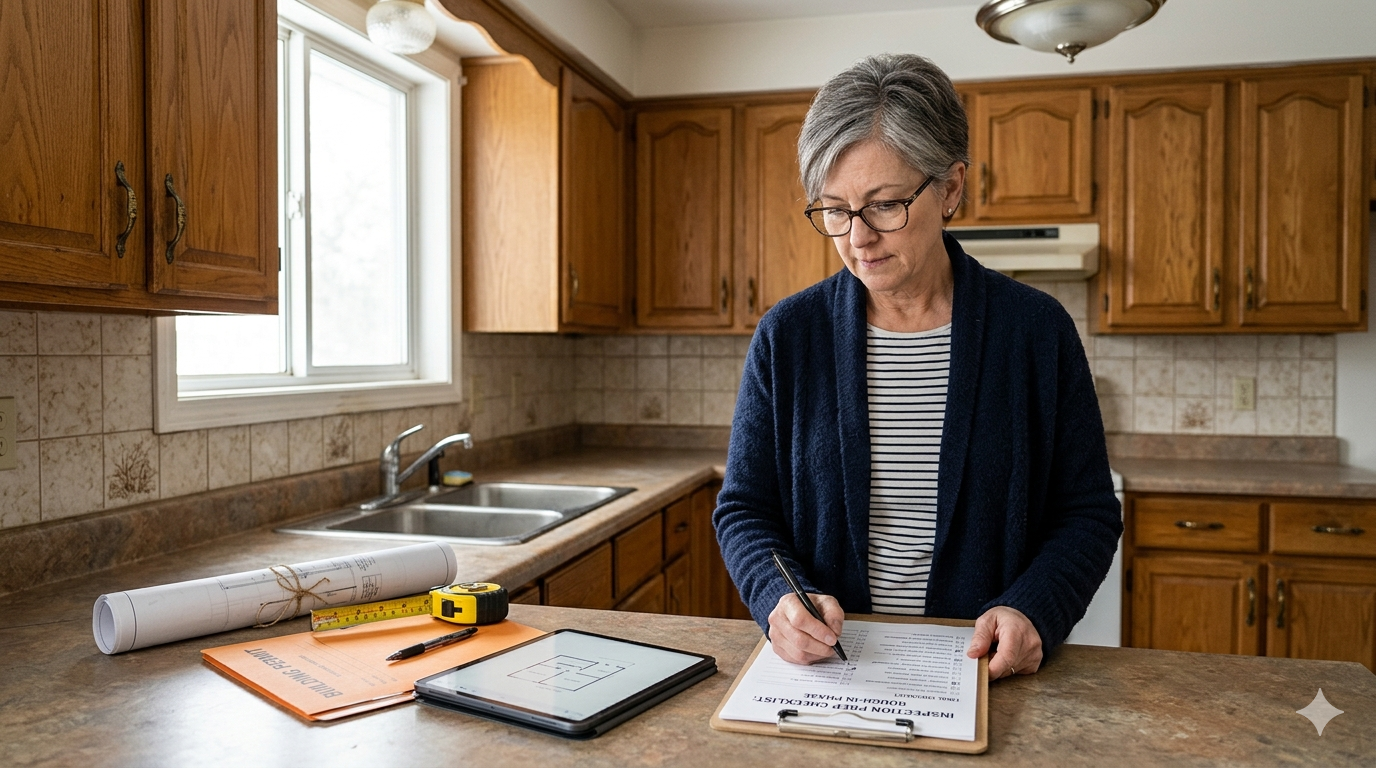
In Part 2, we’ll walk through real-world renovation scenarios where hidden conditions changed scope, budget, and timeline, and show exactly how to respond without losing control of the project. We’ll also include a practical Renovation Contingency Prep Checklist you can use before demolition so your team can make faster, better decisions when unknowns are uncovered.