An addition timeline is a chain of milestones—design decisions, structural work, utilities, weather exposure, inspections, and finishes all have their own “wait times.” This guide helps you understand where time is most likely to slip, what you should confirm up front, and how to sequence choices so you reduce delay risk before you start. When you plan the critical milestones early, you protect both your schedule and the quality of the finished space.
Four risk areas to settle before committing
- Whether an addition solves the real problem better than reconfiguration
- How structural and utility requirements influence feasibility and budget
- What timeline risks to plan for during foundation and utility phases
- How city/county reviews and constraints affect the final design
What each consideration means
- Whether an addition solves the real problem better than reconfiguration. This is worth addressing early because it shapes scope, sequencing, and what you consider a successful outcome.
- How structural and utility requirements influence feasibility and budget. This is worth addressing early because it shapes scope, sequencing, and what you consider a successful outcome.
- What timeline risks to plan for during foundation and utility phases. This is worth addressing early because it shapes scope, sequencing, and what you consider a successful outcome.
- How city/county reviews and constraints affect the final design. This is worth addressing early because it shapes scope, sequencing, and what you consider a successful outcome.
Pitfalls to avoid
Optimizing for square footage instead of daily function and circulation can lead to a layout that doesn’t work in real life. Missing structural and utility feasibility checks in early planning can also create delays later, when changes are more expensive and harder to absorb. Finally, when work isn’t phased well and trades pile on top of each other, the project feels chaotic and the timeline stretches.
Design priorities to include
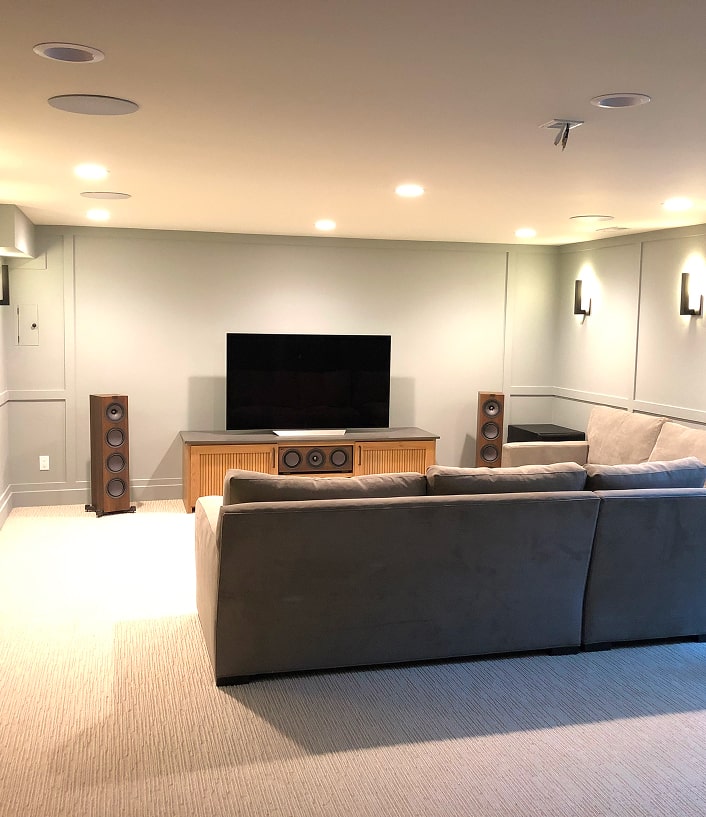
Smooth transitions between old and new help the addition feel like it belongs, so movement through the home stays natural after completion. Plan the “inside-the-walls” systems early, heating and cooling runs, plumbing routes, electrical circuits and panel capacity, venting, and where equipment can be accessed for service, so you avoid last-minute redesigns and you keep the new space comfortable year-round. Finally, pay attention to the exterior “shell” details (flashing, insulation, drainage, and weather protection) so the addition holds up through seasons and you reduce the risk of recurring issues that can stretch timelines and budgets.
Planning guidance
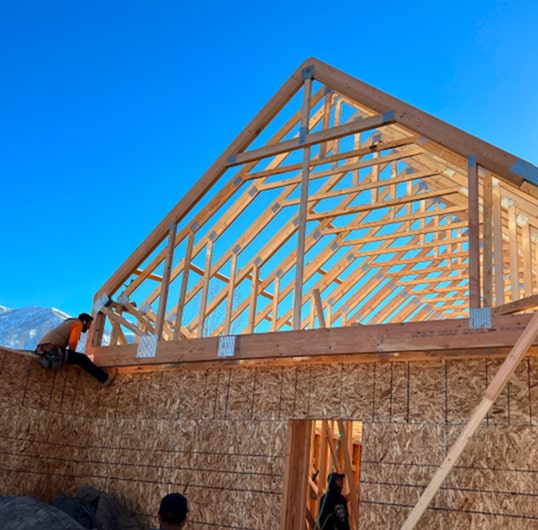
An addition can be the right move when it solves a real space problem, but it usually takes longer than people expect because you’re not just “adding a room.” You’re tying into structure, connecting HVAC/plumbing/electrical, and opening parts of the home to weather during key phases. That’s why strong plans compare an addition to reconfiguring what you already have early, sometimes the same function can be achieved with less disruption.
Before you commit to a layout, check city/county requirements that can change the design and the timeline (setbacks, height limits, lot coverage, and what needs permits/inspections). Use this rule of thumb: A great addition solves a real function problem with a plan city/county can support.
Practical next step
Write a one-page scope summary and validate it against lead times and city/county inspection milestones. Then confirm city/county assumptions early so your plan stays realistic. If you want a simple prompt to keep moving, visit our Joy Score Planning tool.
If your addition plan still has unknowns, treat those as schedule risks—not just “details to decide later.” A short scope and milestone review with a pro can quickly surface what needs to be decided before pricing (utilities, structure, permitting, and phasing). Getting a bid is a way to sanity-check the plan and timeline, not a commitment to build tomorrow. The clearer you are up front, the easier it is for everyone to plan time, trades, and expectations responsibly.