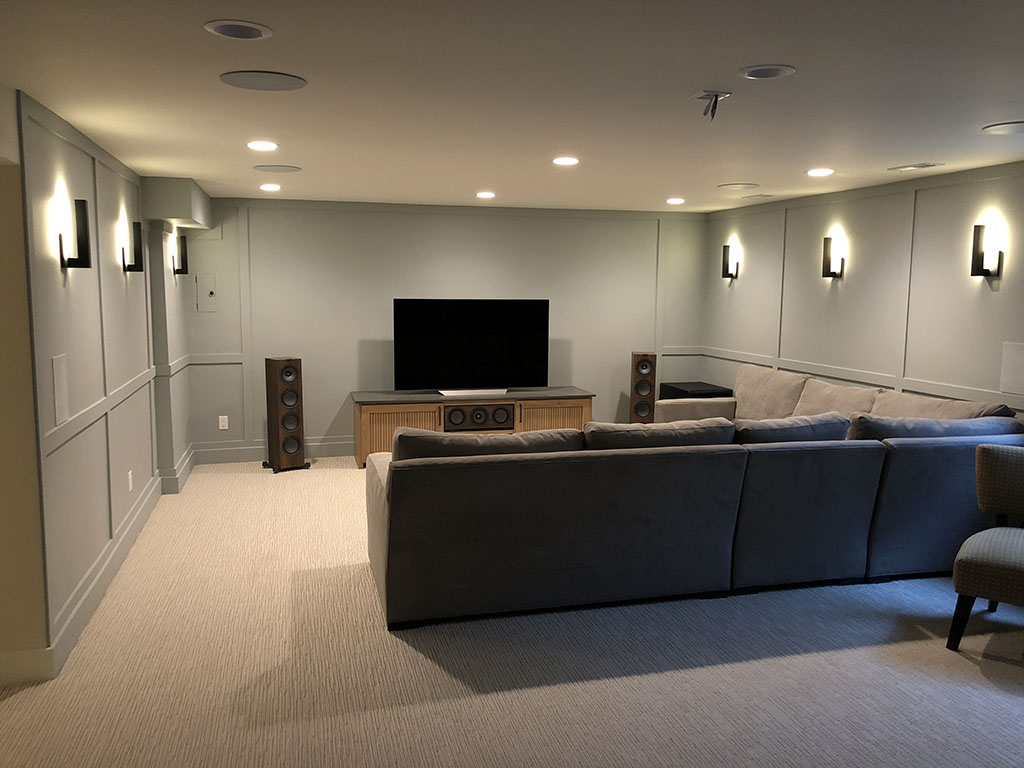
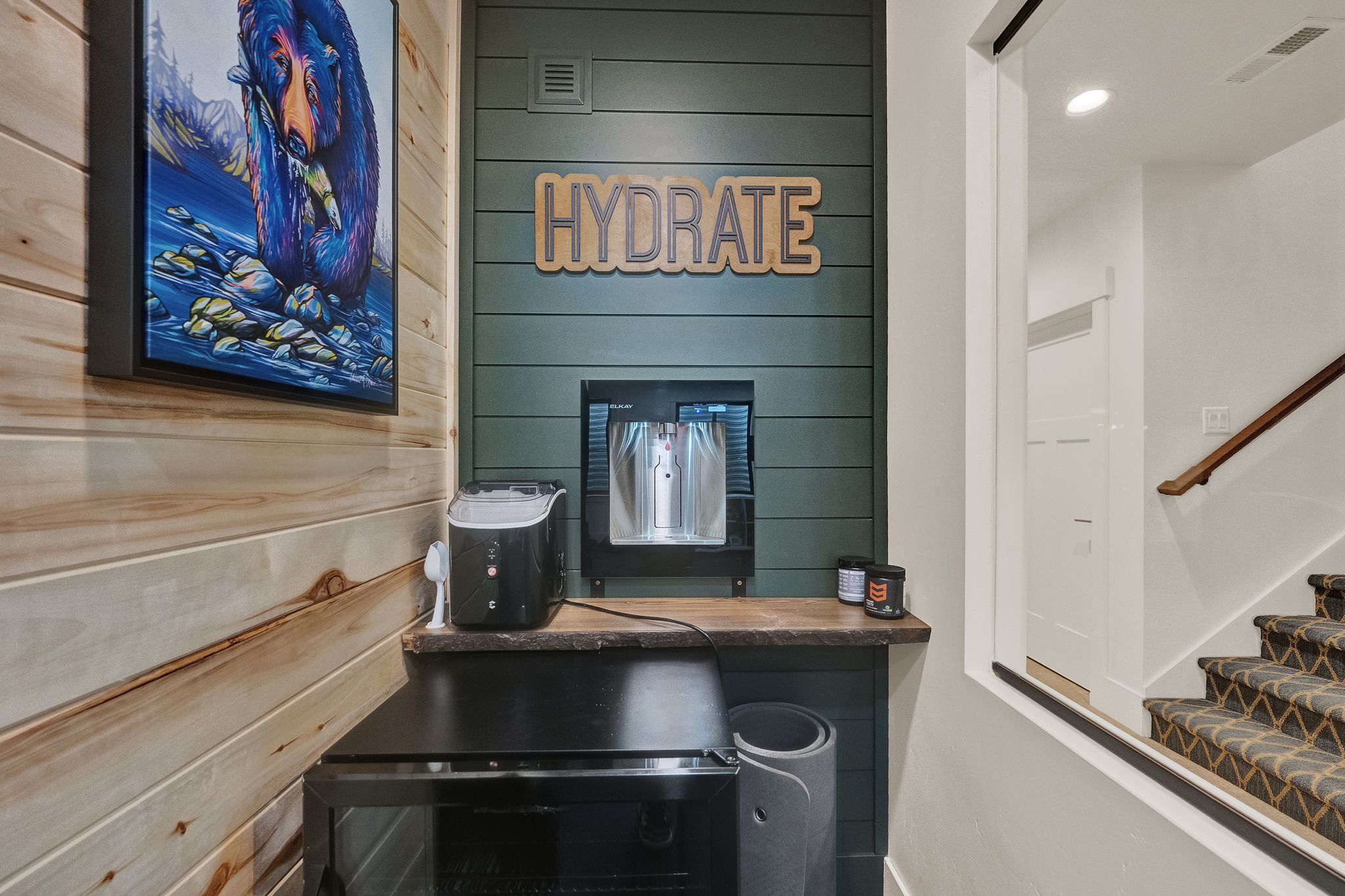
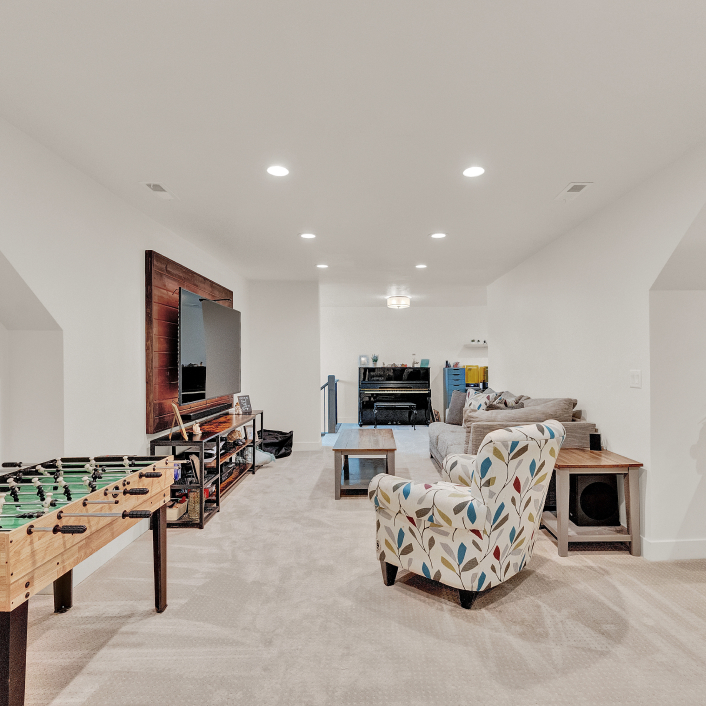
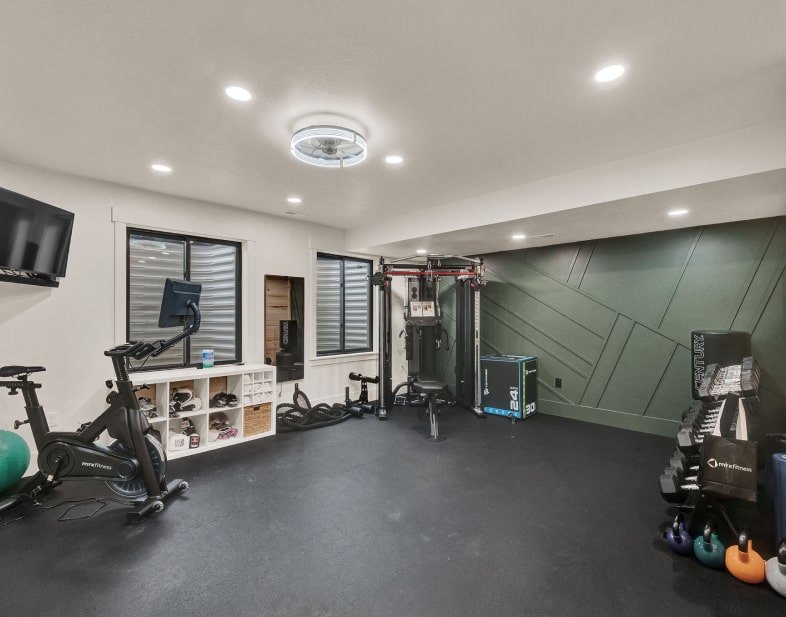
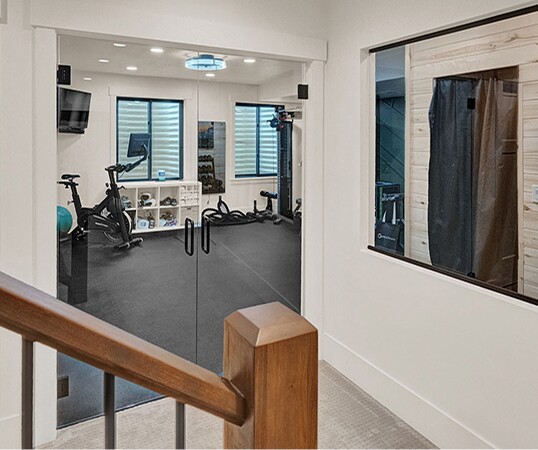
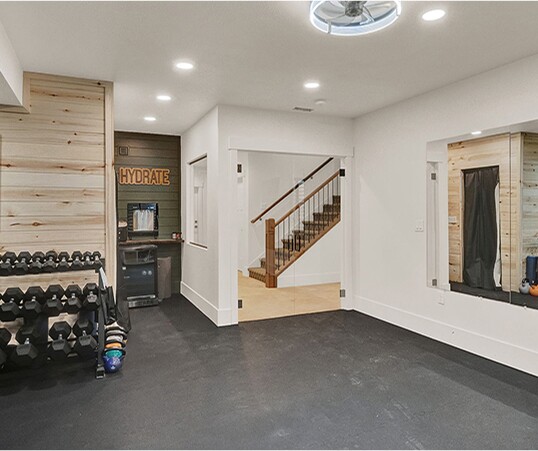
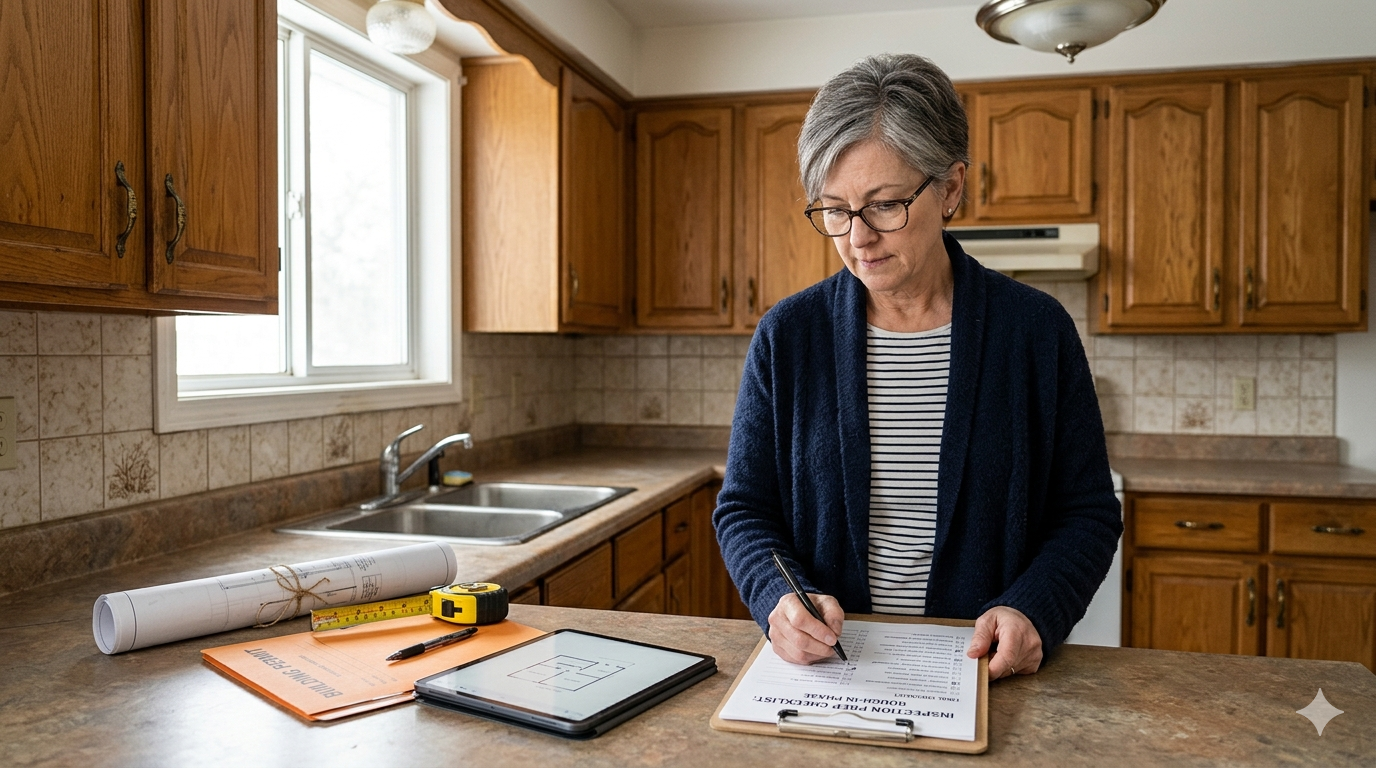
Basements can become a family hangout, a guest suite, or a flexible rental—depending on how you plan safety, comfort, and everyday use from the start. This guide helps you make that decision in a practical order: start with what the space must support (real bedrooms or flexible use), then verify the code-critical pieces like egress, moisture control, and mechanical access before you commit to finishes.
Four practical factors to check early
- Whether the space is a flex area, guest space, or intended bedroom use
- How egress and life safety requirements shape the layout
- What moisture control and ventilation must be addressed before finishes
- How ceiling height and mechanical access impact the best plan
To check these decisions, read the layout through the lens of how the room will actually function: whether it needs to behave like a true bedroom or a flexible space will drive where doors, paths, and storage make sense. Egress and life safety requirements guide what is possible, not just what looks right. Moisture control and ventilation must be resolved early because they determine the surfaces you can safely install and the comfort you will feel every day. Finally, ceiling height and mechanical access affect everything from final finishes to how easily your design can be built without expensive rework.
The biggest pitfalls happen when you reverse the order. Don’t finalize the layout based on “what it looks like” before you confirm the egress path and safety requirements. Don’t start finish work while moisture and ventilation issues still need to be corrected. And don’t lock the final layout until ceiling height and mechanical constraints are confirmed, since those realities can force changes once the trades are on site.
Good outcomes come from choosing priorities that match what you want the basement to do. If you’re thinking “guest suite now, flex space later,” plan around real needs like privacy, safe circulation, and how the space will handle guests (or renters). If the goal is an actual suite or apartment, these decisions should be aligned with your egress strategy and moisture realities—not just your layout. If you want it to be rentable, confirm local zoning and permit rules early so the plan matches what’s allowed. Moisture-resilient selections reduce long-term risk where basements are most vulnerable, and comfort planning—especially airflow and day-to-day usability—keeps the room feeling livable, not just renovated.
Basements reward early planning. Start by reviewing your intended use against egress, ceiling constraints, and moisture and ventilation realities, then build finishes on a stable foundation. Use this rule of thumb: Design the safety and conditions first, then choose finishes confidently. Before you request final bids, draft a one-page scope summary and check it against lead times and inspection milestones, then confirm the assumptions you’re building on so your plan stays realistic. If you want a simple prompt to keep moving, Download: Planning Checklist. And if any part of the decision feels uncertain—especially safety, moisture conditions, or mechanical limitations—talk with a professional early and clarify the scope before you lock trades, because requesting a bid is planning, not commitment.