Inspection Prep Checklist
What to Finalize Before Rough-In
Rough-in inspections can make or break your remodel timeline, so the prep work you do before walls close matters more than most homeowners expect. This guide walks you through what to finalize, what documents to have ready, and how to sequence decisions so your project keeps moving with fewer surprises. The goal is straightforward: reduce avoidable rework, protect your schedule, and make inspection day feel routine instead of stressful.
Four checkpoints to review before moving forward
- Which parts of your scope trigger city/county review
- What documentation expectations exist before work begins
- How inspection sequencing affects your schedule risk
- Who manages responses, revisions, and communication
Why these four points matter in practice
- Which parts of your scope trigger city/county review. This sets the rules of the project early and prevents late-stage surprises when walls are already open.
- What documentation expectations exist before work begins. Clear drawings and scope notes reduce back-and-forth, speed approvals, and keep trade scheduling realistic.
- How inspection sequencing affects your schedule risk. When milestones are planned in order, crews stay productive and you avoid expensive idle days.
- Who manages responses, revisions, and communication. One clear owner for updates keeps decisions from getting lost and helps everyone work from the same plan.
Delay traps to avoid: Assuming cosmetic language means no city/county involvement, submitting incomplete drawings or letting scope drift before approvals, or starting trades without understanding inspection milestones can all turn into avoidable rework and schedule drag.
Prep tools that keep projects moving: A permit-ready scope summary that describes intent and impacted systems, a simple milestone plan for rough-in and final inspections, and a change log that records approved scope updates.
Planning guidance
City/county permitting is part of the project plan, not something to manage at the very end. The most common delays come from unclear scope, missing details, and schedule assumptions that ignore inspection milestones. A permit-ready scope summary and inspection-aware sequencing protect both timeline and quality. A helpful reminder: Permits are part of the schedule, not a surprise at the end.
Practical next step
Write a one-page scope summary and pressure-test it against lead times and city/county inspection milestones, then confirm early what will be reviewed and when so your plan stays realistic. If anything about permits, rough-in, or inspection timing feels unclear, ask before you lock trades and start ordering. Requesting a bid is part of planning and does not obligate you to move forward—clear expectations and realistic timelines make the whole process smoother for everyone.
Related Posts

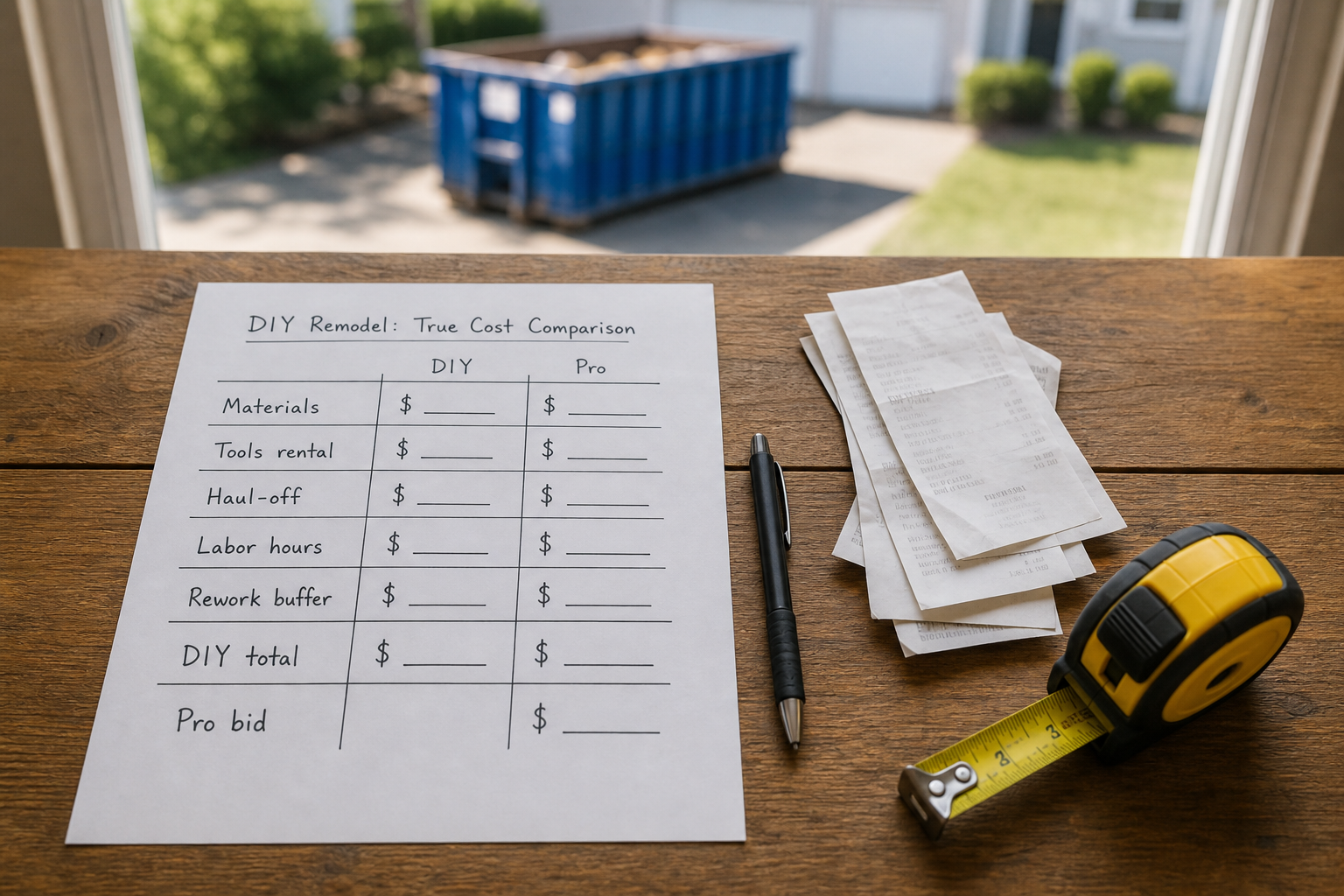
The Hidden Cost of DIY Rework: A Simple Math Example
The Hidden Cost of DIY Rework: A Simple Math Example If you are looking for help with the hidden cost of DIY rework, this guide keeps your decisions clear and
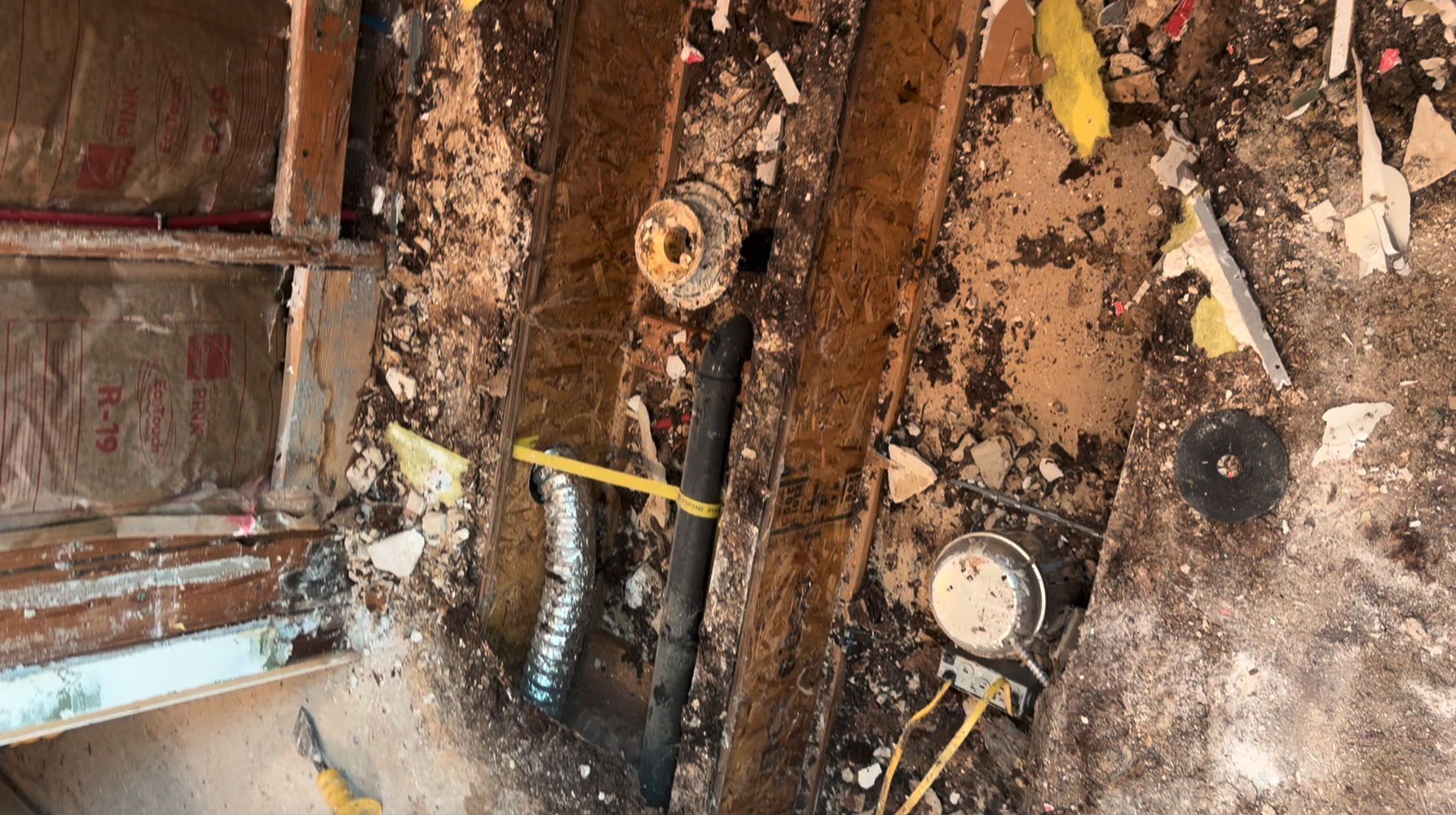
Renovation Contingency (Part 2)
Renovation Contingency – Part 2 Plan for the Worst and Hope for the Best https://youtube.com/shorts/vfwiFgRBUqE A renovation contingency is only useful if it is paired with execution. Part 1
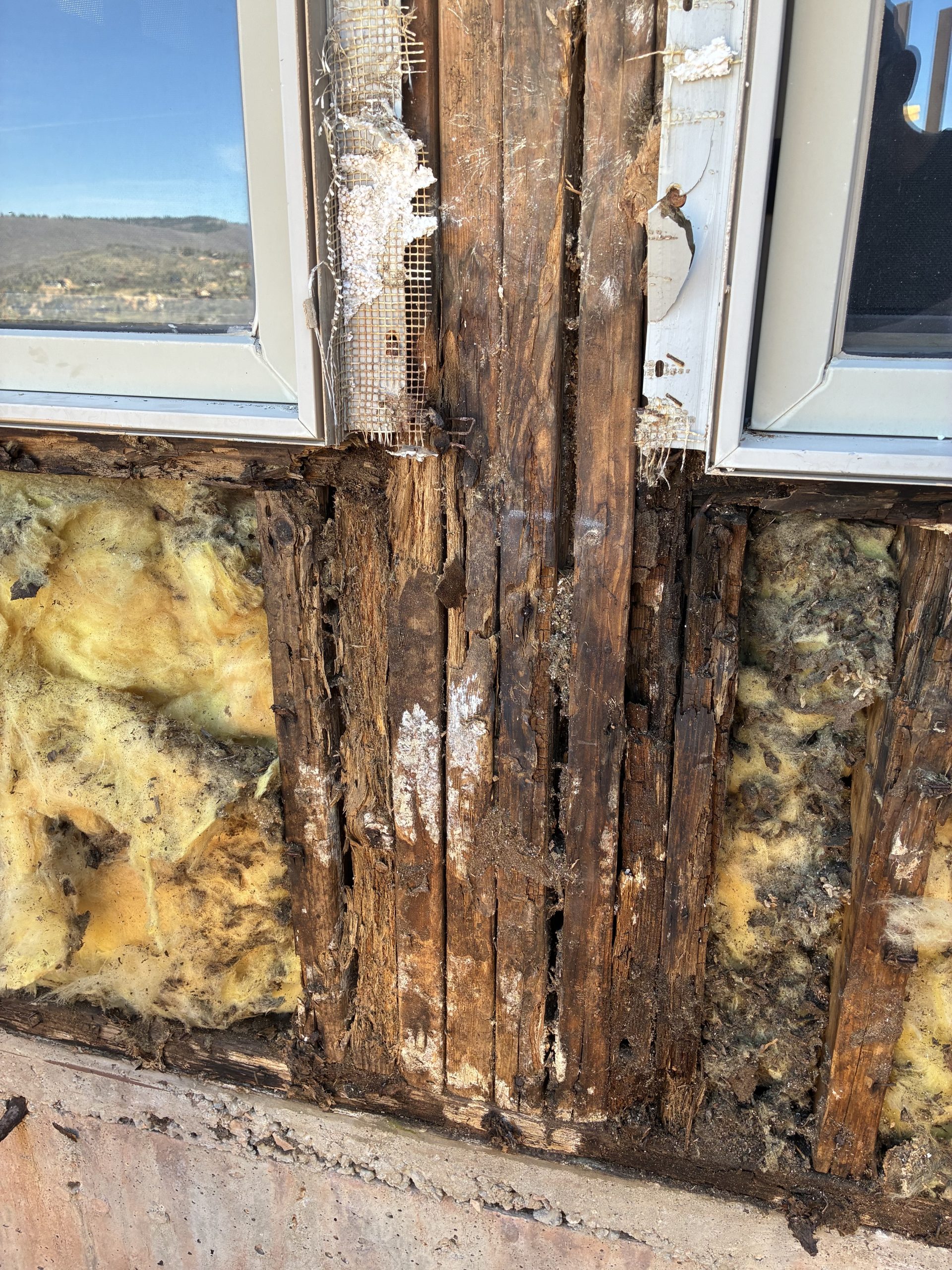
Renovation Contingency (Part 1)
Renovation Contingency – Part 1 What It Is and Don’t Hide From It Most renovation stress does not come from paint colors or fixture selections. It comes from what gets