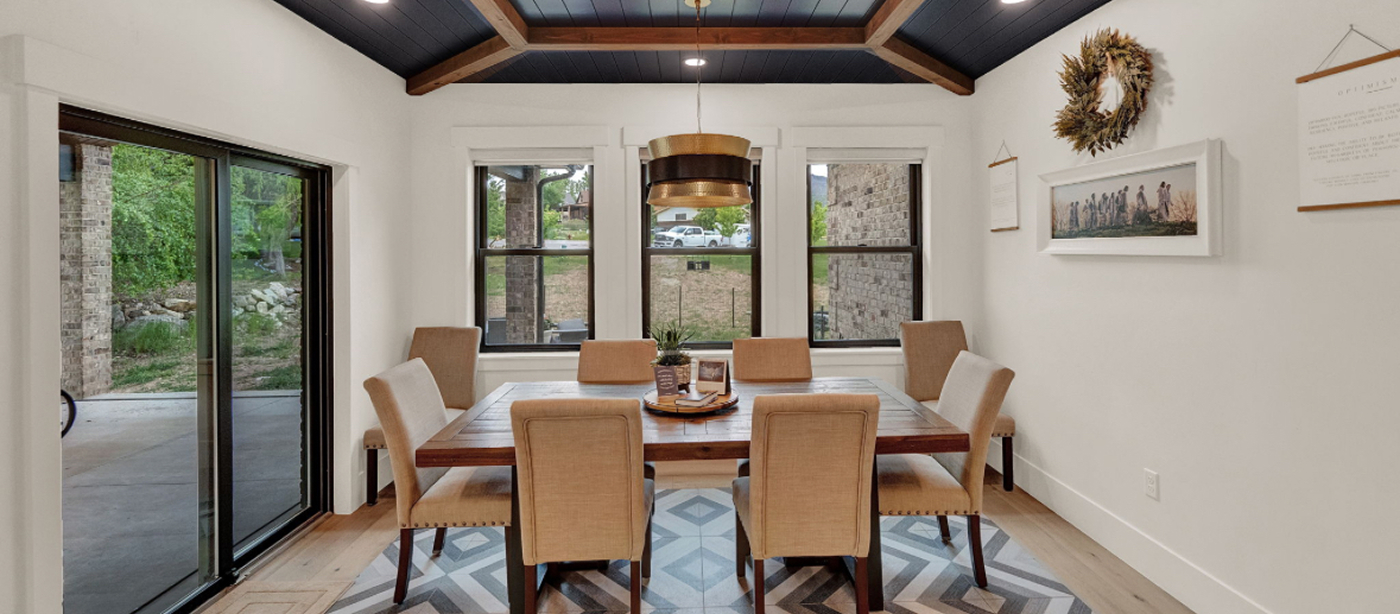
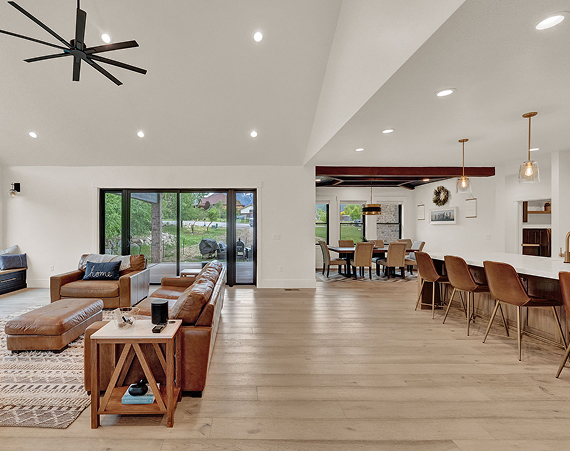
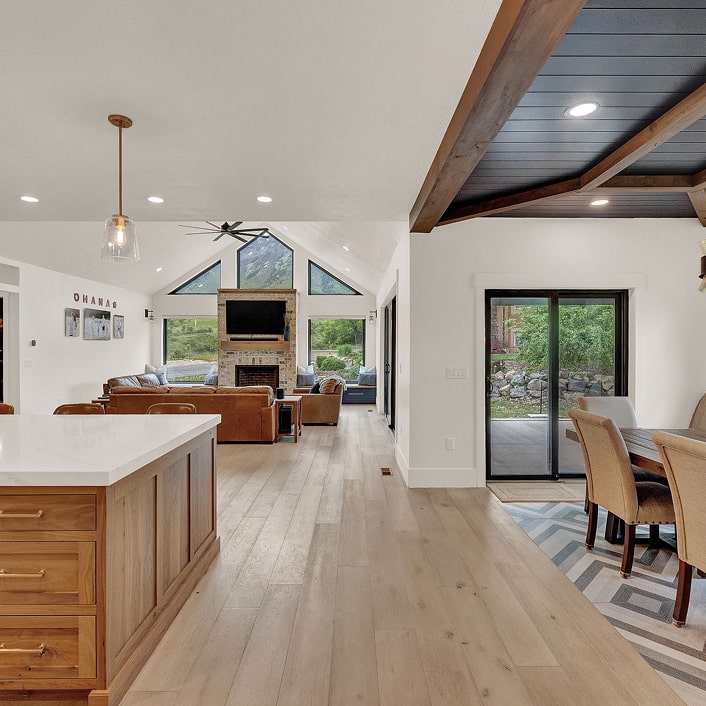
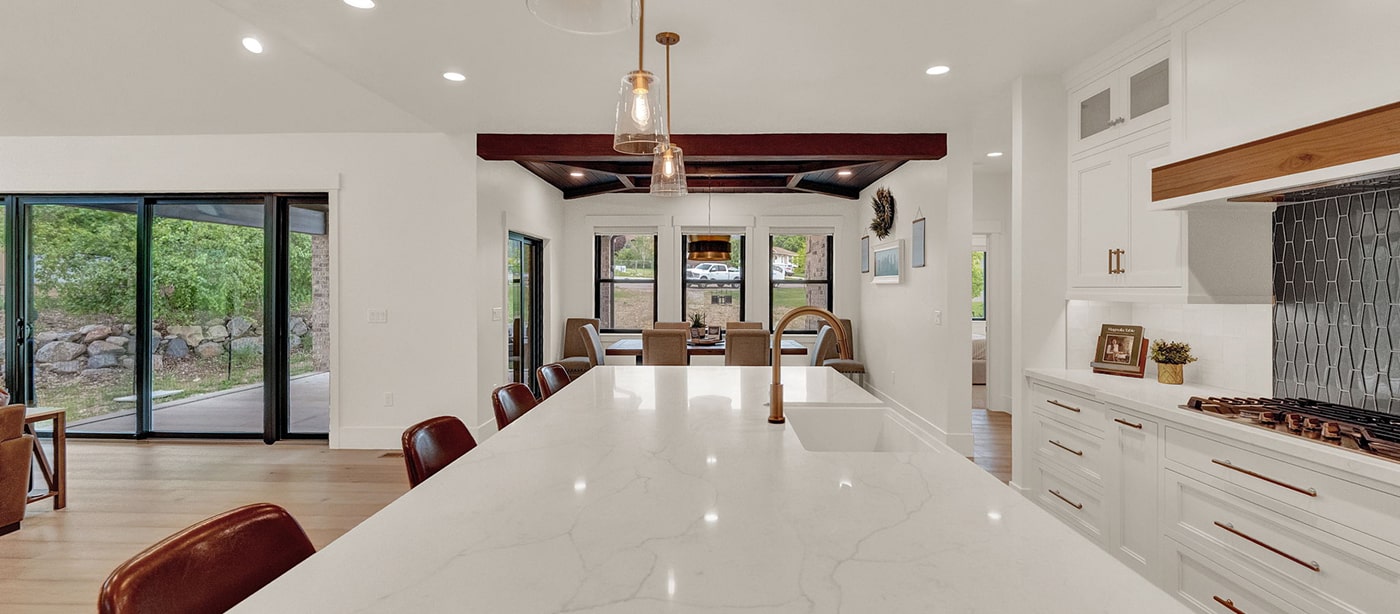
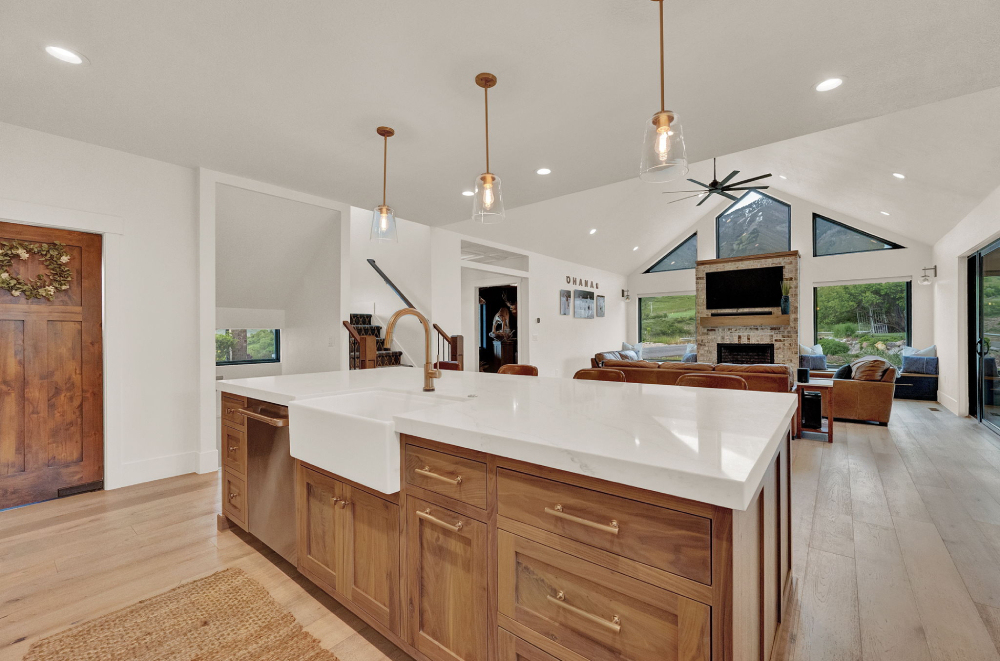
Thinking about a new kitchen or a layout that improves daily flow? Start by planning how your kitchen needs to function before you choose finishes. As we like to say, “A great kitchen layout saves steps, reduces stress, and makes ordinary moments easier.” The strongest kitchen remodels are built around movement, storage, and appliance placement so the room works better every single day without even thinking about it, not just in listing photos.
Top 7 things to consider
- How people move through the kitchen during real routines
- Where prep, cooking, and cleanup should happen
- How appliance placement affects traffic and safety
- Whether island size and clearance actually fit daily use
- Which storage zones reduce clutter and wasted steps
- How lighting supports task work, not just ambiance
- How your layout balances today’s habits with future flexibility
What each decision means
- How people move through the kitchen during real routines. Map actual pathways for mornings, school-night dinners, hosting, and cleanup. If your design ignores movement patterns, bottlenecks show up fast.
- Where prep, cooking, and cleanup should happen. Group these stations so each one has enough landing space and does not collide with another person’s task.
- How appliance placement affects traffic and safety. Fridge, range, dishwasher, and microwave locations should reduce crossing paths, door conflicts, and heat or splash risk in busy zones.
- Whether island size and clearance actually fit daily use. Bigger is not always better. Prioritize workable aisle widths and seating flow over oversized surfaces that choke circulation.
- Which storage zones reduce clutter and wasted steps. Put frequently used items where the activity happens: prep tools near prep, cookware near range, dishes near dishwasher unload.
- How lighting supports task work, not just ambiance. Layer ambient, task, and accent lighting so prep areas, sink zones, and cooktop surfaces are clearly visible.
- How your layout balances today’s habits with future flexibility. Make choices that serve current routines while still adapting to household changes over time.
Planning guidance (pitfalls and priorities)
Most kitchen layout mistakes come from planning in the wrong order. Homeowners often pick cabinetry style, countertop material, or appliance package before locking workflow decisions. That reverses the process and can force compromises that hurt daily usability.
Another common issue is over-prioritizing visual symmetry at the expense of function. A kitchen can look balanced on paper but still feel frustrating if prep space is far from the fridge, cleanup interrupts traffic, or storage is mismatched to habits. Good planning protects both form and function by validating pathways first, then detailing surfaces and finishes.
Prioritize high-frequency improvements: smoother circulation, better prep zones, practical storage access, and clear lighting at work points. These are the upgrades you feel repeatedly, which is why they usually deliver the highest everyday value.
Practical next step
Before requesting final bids, draft a one-page kitchen scope that lists your must-have layout outcomes, appliance placement assumptions, and target milestones (start, demo, install, completion). Then pressure-test that plan against how your household actually uses the space.
If you want to validate whether your ideas are likely to improve day-to-day satisfaction, run them through the Joy Score Planner.
If you have questions, talk with a professional early and set clear terms for the conversation. Use a short scope review to confirm assumptions, constraints, and sequencing before pricing. Asking for a bid does not commit you to the project-it helps you make better decisions. The best kitchen remodels are not defined by trend features, but by how smoothly daily life works after completion, so prioritize routine-first choices and keep expectations and timeline requests realistic.